Have you ever Googled “dysregulation activities”? It can’t just be me. If you haven’t, let me go ahead and spoil it for you and kill all your dreams: there aren’t any results. That’s why I’m writing this article and using all of the SEO tricks I learned at my last marketing job (before I left that stable, cushy life to work with former foster youth).
I want to make these resources available and help you dysregulate the people you’re serving! Dysregulate them real good! But only so you can teach them to regulate their bodies and their emotions. That’s a huge part of what I do working with former foster youth, and if you’re reading this, maybe it’s a part of what you do too, or maybe it could be.
Anyway, I’m not going to carry on much longer. This isn’t a food blog. Let’s get straight to the recipe. Er—ideas.
I suggest playing one of these games before a meeting or a class and moving directly to a transition that involves a calming activity: a breathing exercise, playing with a sensory toy or fidget, or getting in some proprioception through pushing against the wall or floor, or sitting under a weighted blanket.
If we repeat this pattern enough, youth might remember to use these calming resources when they become dysregulated in a real-life situation.
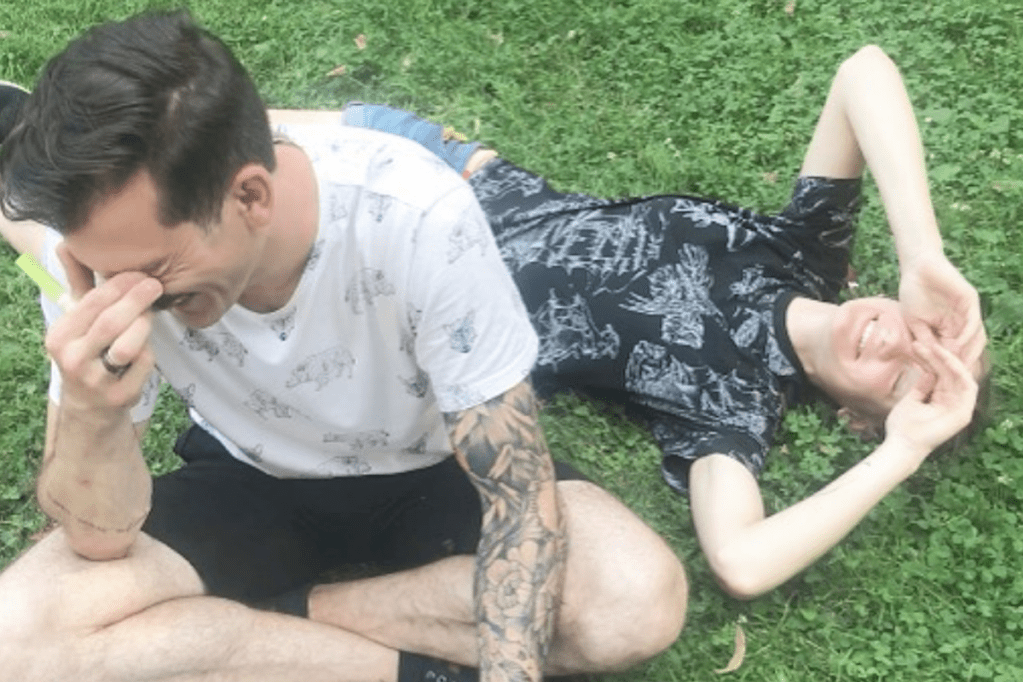
All of these employ a host of sensory opportunities in addition to being dysregulating. I’ll attempt to describe them, but hopefully the included photos will give you a better idea of what this looks like.
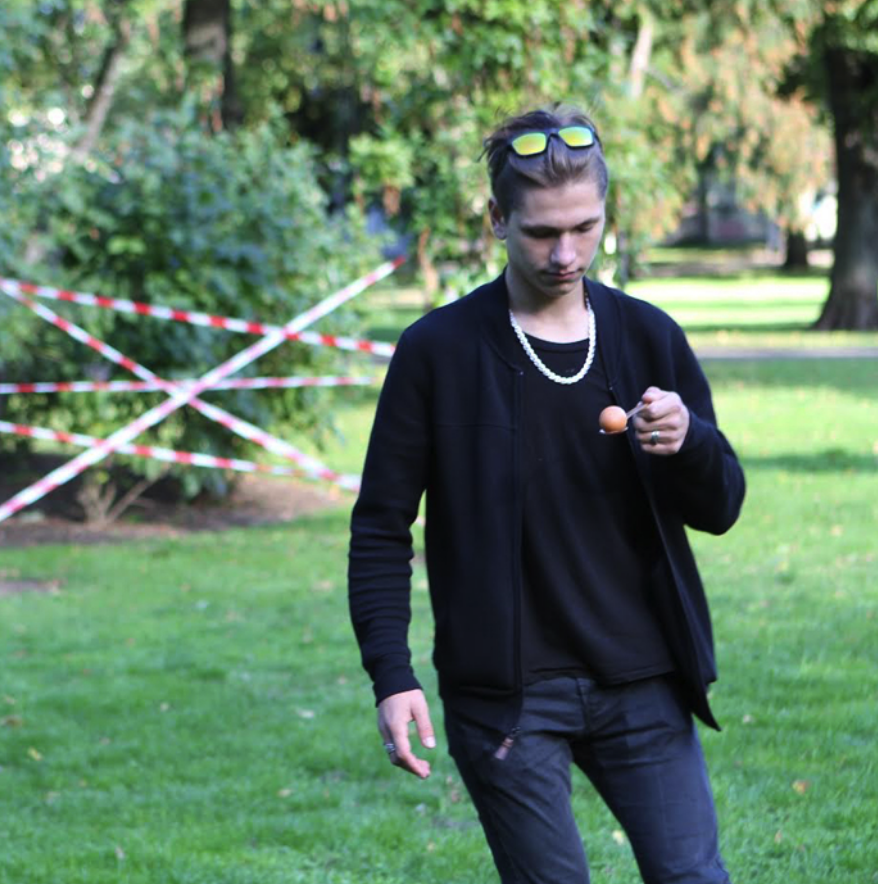
- Don’t stomp the egg
Supplies: 10+ paper bowls, 1 egg
Set up: Place the bowls face down on the floor in a circle, place the egg under one of the bowls
How to play: Each participant takes a turn standing in the middle of the circle and choosing a bowl to stomp until someone stomps the egg. If possible, reset for more rounds with other slightly messy objects.
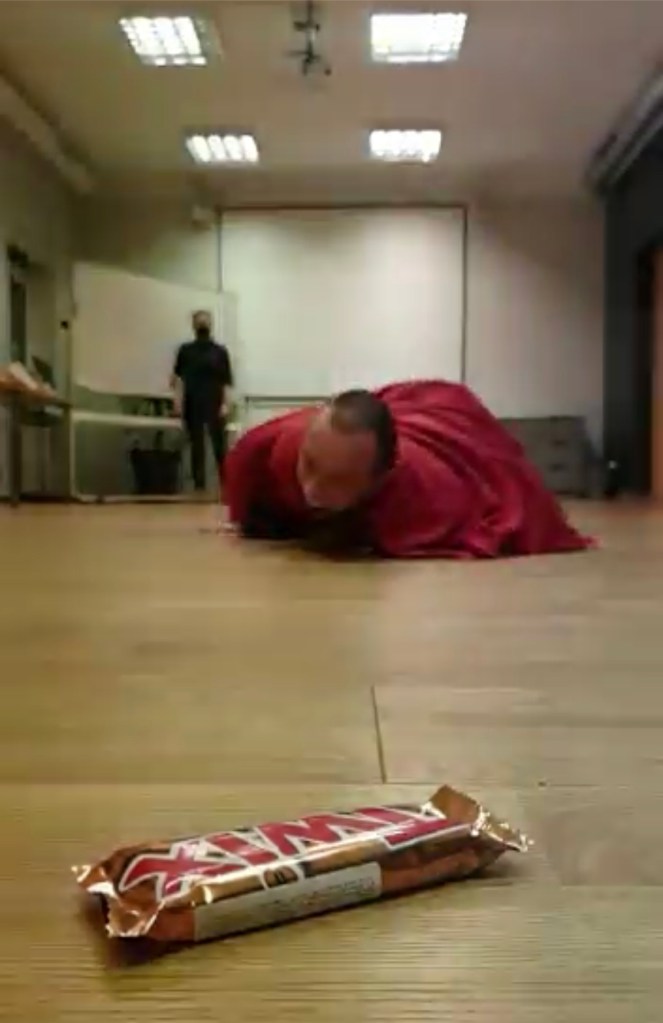
- Burrito race for the prize
Supplies: blankets
Set up: Roll your participants up in blankets like burritos
How to play: This is a simple race. Except your participants are slithering on their bellies like snakes rolled up in blankets. Whoever reaches the finish line first wins.
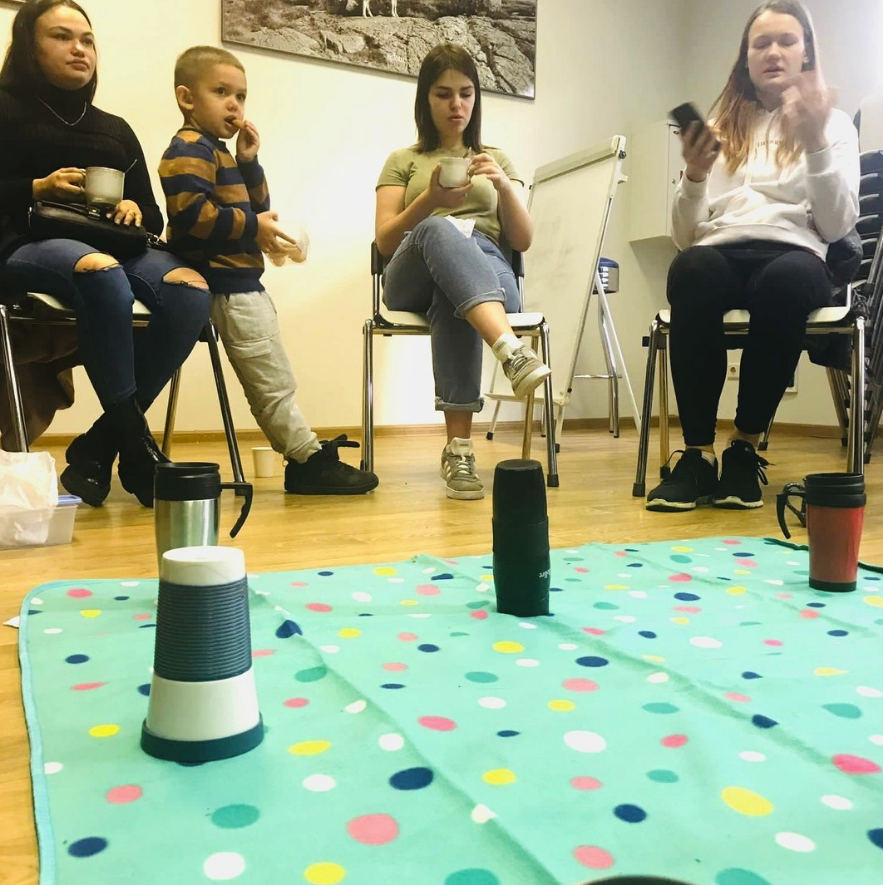
- Flip the cups
Supplies: Assorted mugs or tumblers
Set up: In the game area, spread out the mugs and tumblers on the ground. Place some right-side-up and others upside down.
How to play: Divide your participants into two teams. One team is responsible for placing the mugs and tumblers right-side-up and the other team is responsible for placing them upside down. Each team works simultaneously for a set amount of time. When you say “stop,” the team with the most mugs in their direction wins. Make sure players go from an upright standing position to bending over to flip their cups and then return to standing. This activity is great for the vestibular sense.
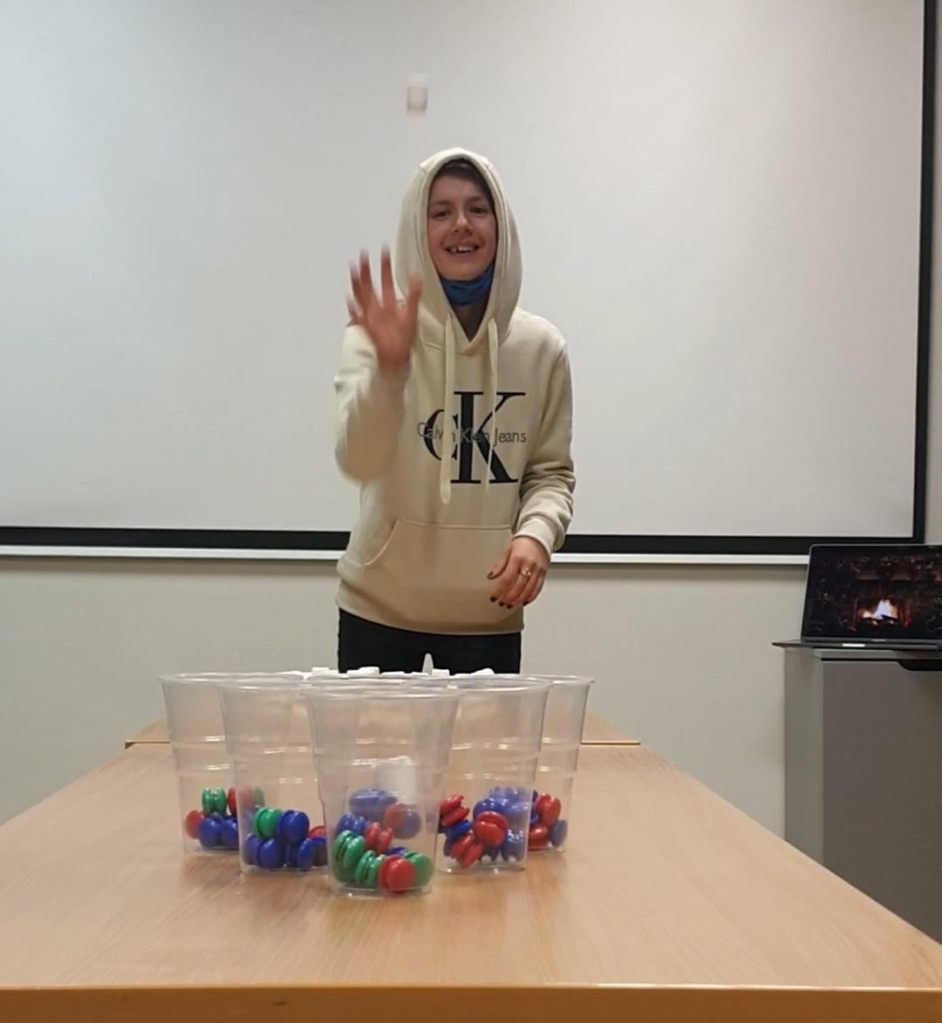
- Marshmallow pong
Supplies: plastic cups, marshmallows
Set up: Place plastic cups in a triangle (beer-pong style). It might be helpful to use dry beans or something heavy to weight them to the table.
How to play: Each team tries to get as many marshmallows into cups as possible. If necessary, set a time limit and make them go QUICKLY.
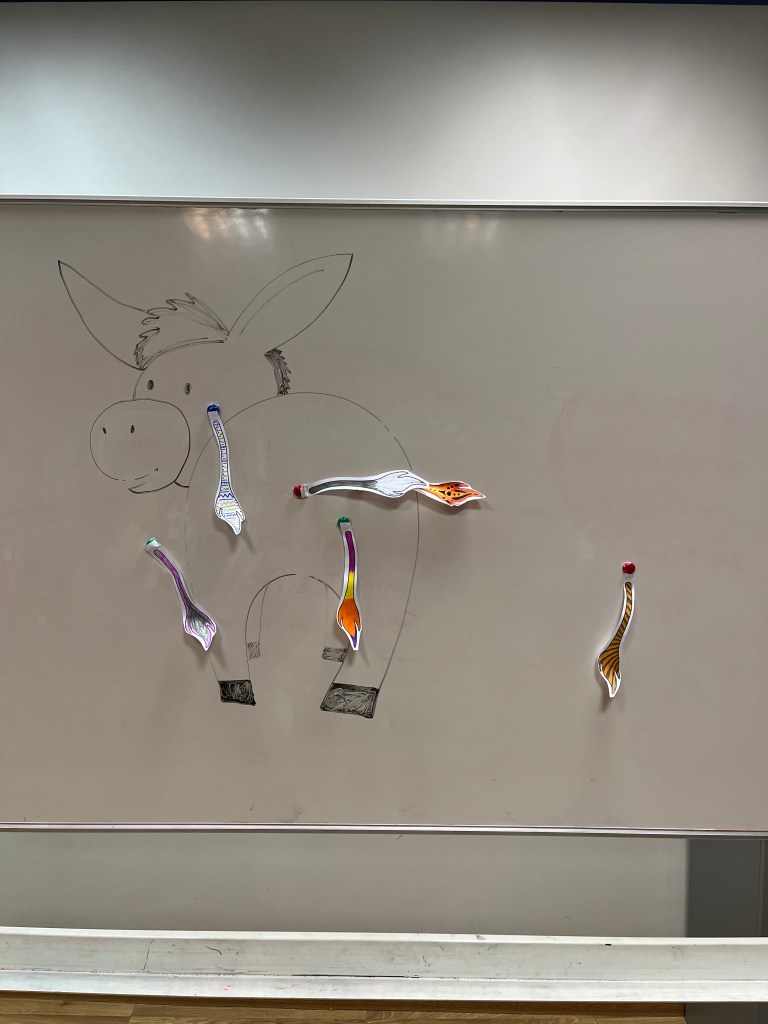
- Pin the tail on the donkey
Supplies: A donkey, tails, a blindfold
Set up: Get your donkey and tails ready! We drew the donkey on a magnetic white board and printed tails we cut out and taped to magnets
How to play: The same as your regular party game. Participants take turn being blindfolded, spun, and pinning the tail on the donkey.
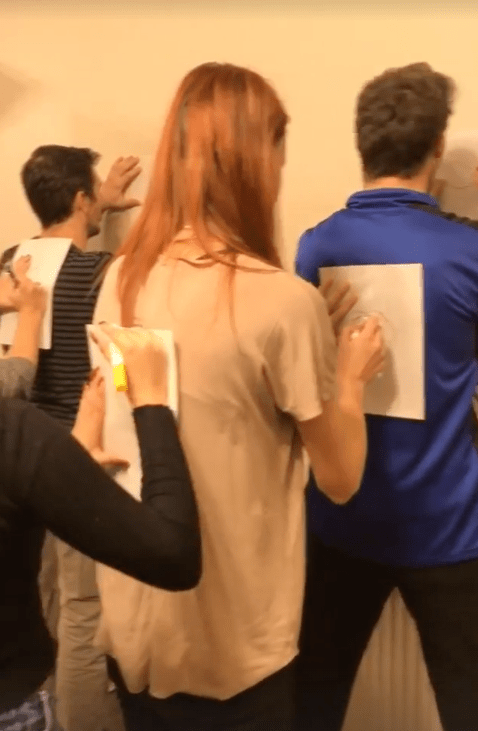
- Back drawing
Supplies: Pencils, paper, blindfolds
Set up: Write prompts on small pieces of paper. Create two teams of participants (of at least 2 people each) and make them stand in straight lines. The person at the front of the line is blindfolded and given the paper, pencil.
How to play: The person at the back of the line is shown a word to draw. Consider keeping it simple to start. Use a star, heart, or other simple object. The person at the back of the line draws the object on the next person’s back. This continues until the person at the front of the line draws the picture. After a time limit, the blindfold comes off, and the object is revealed.
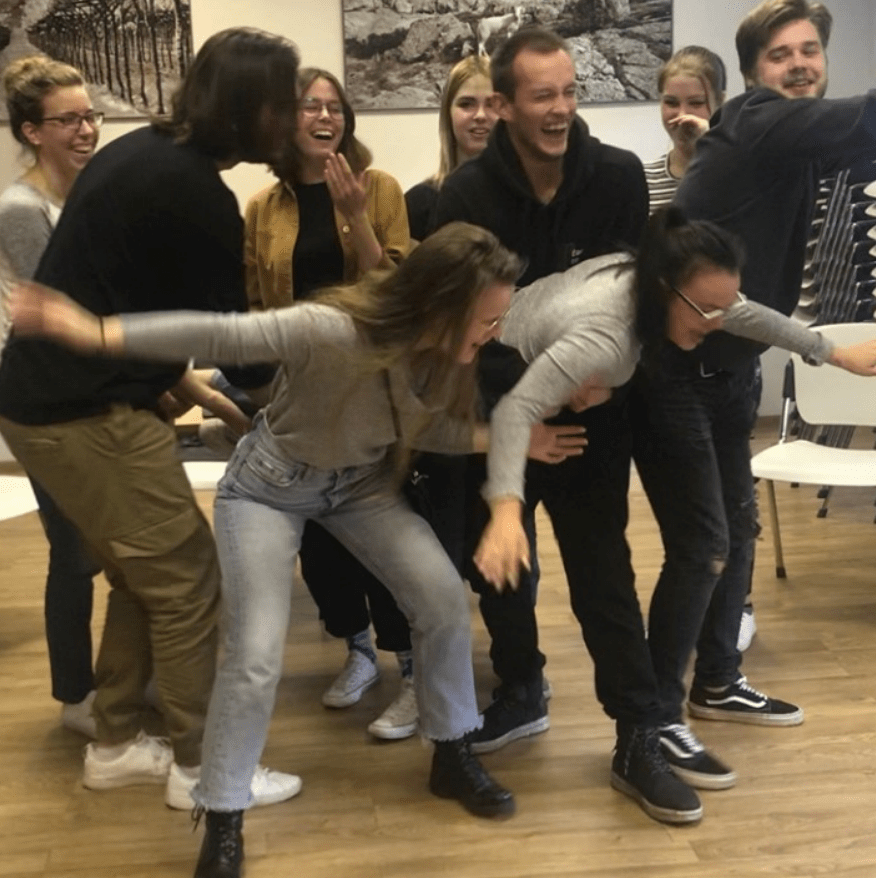
- Human building blocks
Supplies: N/A
Set up: N/A
How to play: This works best in a large group and in a larger space. People “mingle” or walk around, until a number is called. Then, participants must join groups of that number. Once they are in their groups, they are given a prompt like, “hockey” or “pirate ship,” and they must “build” that object using only their own bodies. Creativity is encouraged, and a judge can choose a winner.

 The Dry Ground Project
Leave a comment