
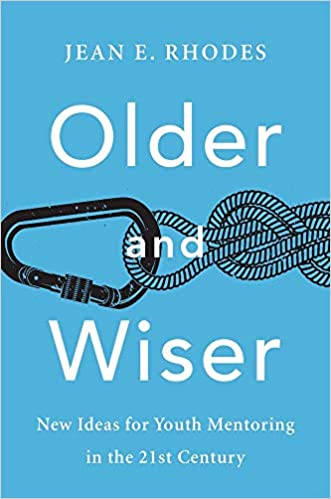
Rhodes starts with the question, “Does mentoring work? Does it help young people succeed?”
What follows isn’t just anecdotal evidence to prop up the answer we want to hear. Instead, we get a big, fat, “No.”
After Rhode’s years of research into large, popular mentoring programs including Big Brothers Big Sisters of America, she says there is not much evidence that these programs are effective. However, there is still reason to hope that these programs could make an impact.
Other conclusions include:
- There’s not a one-size-fits-all model for a mentoring program. There may not even be a one-size-fits-all model for individual mentor-mentee relationships because every person is different.
- Organizations that rely on under-trained volunteers to form emotional connections will fail.
- Mentorship programs are most effective when they are built on trust and when they focus on the development of specific skills.
- Organic mentorship is often more successful. Don’t force mentor-mentee matches.
This should be good news for organizations like ours, Lighthouse Transitional Care, who are walking beside aged-out youth. It’s our job to form relationships with youth, and it’s our job to teach them the skills they didn’t learn in the orphanage or foster home they grew up in. I learned through the reading of this book that we’re on the right track!
The book also has great practical advice on how to grow that I haven’t often found in books. And that’s why we give this book five stars and recommend it to anyone working in a program that includes mentoring in any way!
 The Dry Ground Project
Leave a comment