Have you heard of the zones of regulation? If you work in the world of trauma and healing, you probably have. But if not, here’s a quick summary.
The zones of regulation are colors that have been assigned to different emotions (and the body feelings associated with them). The idea and hope is to help provide language to themes and ideas that may be foreign or unfamiliar to a traumatized child or teen. These tools are used by occupational therapists, school teachers, adoptive and foster families and even other paraprofessionals like myself. There are a lot of tools out there including color charts, posters with emojis, metaphors and engines. For the sake of this post I will clarify some of the terms I use in my work.
“How is your engine running?” or “What zone are you in right now?”
Translation: What are the symptoms in your body right now and what are they telling you about the state of your mind?
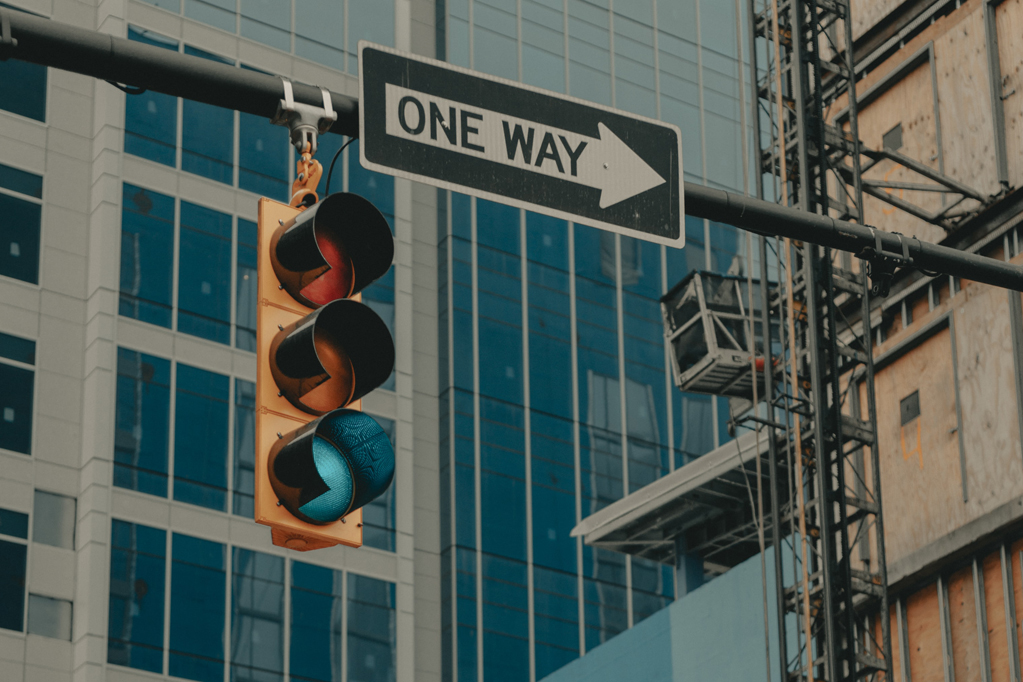
We also assign three (instead of 4) colors to each attributing zone.
Here is a breakdown:
Blue (LOW)—my body and emotions are running slow
- Sad
- Depressed
- Tired
- Dissociating
- Low heart rate, shallow slow breath
Red (HIGH)—my body and emotions are running fast
- Excited
- Angry
- Anxious/Wired
- Overstimulated
- Racing heart, rapid breathing pattern
Green (JUST RIGHT)—my body and emotions are running just right
- Calm
- Engaged
- Optimal learning happens here
- Heart rate is where it needs to be
- Breathing is calm and regulated
In some group settings, we ask all our the youth and volunteers to check their body’s zone. Then we do an activity to get ourselves into the red zone followed by another activity to get ourselves into the green zone. Let me be clear, this isn’t because the green zone is superior. We work toward the green zone because that is where we need to be for that particular class. The green zone is where we need to be in order to learn.
A common misconception is that we need to be in the green zone all of the time. This simply isn’t true. I want to remind you that every zone is okay, and every zone is necessary.
For example, a young adult in the red zone might struggle in a setting like a classroom, where the green zone is most helpful. Alternatively, a young adult in the blue zone could struggle in their physical education class where the red zone may be more helpful.
Young adults from places of deep hurt often live in a red or blue zone. This has kept them safe and out of harm’s way for most of their lives. We don’t want to dishonor or shame them for being dysregulated. Instead, I want to have an open conversation about their old habits and provide a safe space for both dysregulation and regulation.
If you need tips on how to purposefully dysregulate your youth, check out this post!
The skill of transitioning between zones is often more beneficial than being regulated all the time.
When we play a game or do an activity to transition between zones, each participant is practicing their regulation skills and experiencing shifting into the zone they need to be for the following activity.
Using the zones of regulation as a teaching tool trains our youth to seamlessly shift between zones. I believe this is a useful life skill they’ll be able to use in absolutely any situation they find themselves in.

 The Dry Ground Project
Leave a reply to 3 (more) dysregulation activities – The Dry Ground Project Cancel reply